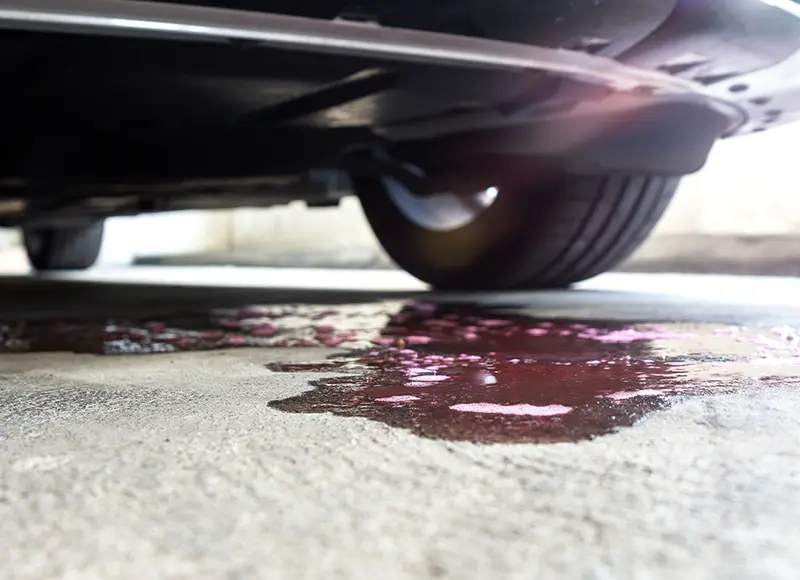
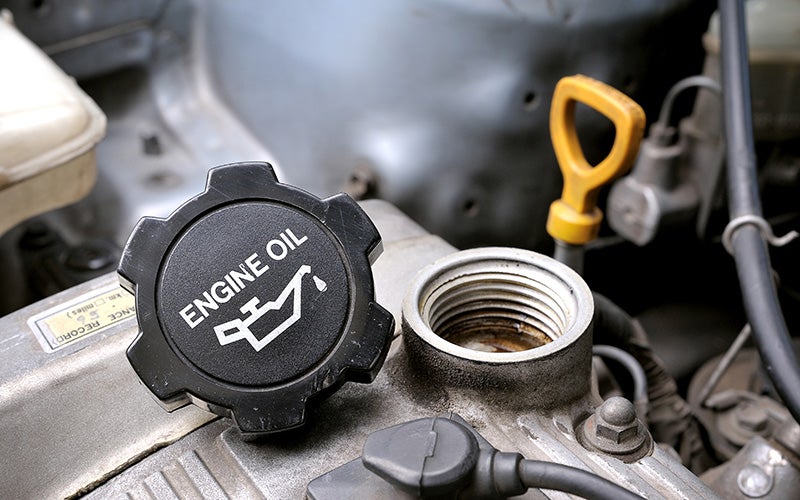
Is an Oil Leak Serious? Causes, Warning Signs, and When to Seek Repairs An engine oil leak can range from a minor seepage issue to a serious mechanical concern that puts your vehicle's engine at risk. Although a few drops of oil beneath a parked vehicle may not seem urgent, even a small leak deserves attention. Engine oil lubricates moving components, helps manage heat, and reduces friction throughout the engine. When oil escapes from the lubrication system, the engine may eventually operate with insufficient protection. The seriousness of an oil leak depends on its location, how quickly oil is escaping, and whether the engine's oil level or pressure has been affected. A slow leak from a worn gasket may develop gradually, while a damaged oil filter, loose drain plug, or failed oil line can cause substantial oil loss in a short period. Either condition requires an accurate diagnosis to determine the appropriate repair. For Buick and GMC drivers in Del Rio, TX, recognizing oil leak symptoms is especially important when traveling long distances across South Texas or driving in demanding conditions. At Brown Automotive Center Buick GMC, our service department helps vehicle owners identify fluid leaks, evaluate their potential causes, and determine the maintenance or repairs needed to address them. How Serious Is an Engine Oil Leak? An engine oil leak becomes particularly serious when it causes the engine to lose lubrication, produces smoke, reaches hot exhaust components, or creates a risk of engine damage. However, the absence of these symptoms does not necessarily mean the leak is harmless. A small amount of oil escaping from a gasket may take time to produce a noticeable change in the engine's oil level. Nevertheless, the leak can worsen as seals deteriorate, temperatures change, and the vehicle accumulates mileage. An oil leak should be evaluated based on several factors: Rate of oil loss: A rapidly growing puddle suggests a more urgent problem than occasional light seepage. Engine oil level: Oil below the manufacturer's recommended range can compromise lubrication. Oil pressure: A low oil pressure warning may indicate an immediate risk of serious engine damage. Leak location: Oil reaching exhaust components or other hot surfaces can create smoke and a potential fire hazard. Vehicle performance: Engine noise, overheating, or other operating changes may indicate that the problem has progressed. Driving conditions: Extended highway travel, towing, and demanding engine operation can increase the consequences of inadequate lubrication. A vehicle that is actively losing substantial oil should not be driven until the issue has been evaluated. If the low oil pressure warning illuminates while driving, pull over safely, shut off the engine, and arrange professional assistance rather than continuing to the nearest repair facility. The amount of oil on the ground alone cannot reliably determine whether a leak is safe to ignore. The condition of the engine's lubrication system is what matters most. What Causes Engine Oil Leaks in Buick and GMC Vehicles? Engine oil circulates through passages, seals, gaskets, and other components throughout the engine. These parts are designed to retain oil under varying temperatures and operating conditions, but they can deteriorate, loosen, or become damaged over time. The source of an oil leak is not always directly above the spot where oil collects beneath the vehicle. Oil can travel along engine surfaces, splash onto nearby components, or move toward the rear of the vehicle while driving. Common causes include the following. Worn Valve Cover Gaskets Valve cover gaskets seal the area between the valve covers and the engine's cylinder head assemblies. Over time, heat exposure and material aging can cause these gaskets to harden, shrink, or lose their ability to maintain an effective seal. When a valve cover gasket begins leaking, oil may accumulate around the upper portion of the engine before traveling downward. Depending on the location, the leak may also produce a burning oil smell if fluid contacts hot engine or exhaust surfaces. Potential indicators include: Oil residue near the valve cover. Moist or darkened areas around gasket edges. A burning oil odor after the engine warms up. Oil collecting along the side of the engine. Spots developing beneath the vehicle after parking. A valve cover gasket leak may initially be relatively small, but it should be addressed before oil loss or contamination of nearby components becomes more significant. Damaged Oil Pan Gaskets or Seals The oil pan stores the engine oil that circulates through the lubrication system. Depending on engine design, the pan uses a gasket or sealing material to prevent oil from escaping where it joins the engine. A deteriorated seal, damaged oil pan, or improperly secured component can allow oil to collect beneath the engine. Oil pan leaks may be associated with: Fresh oil appearing along the lower edge of the engine. Drips forming around the oil pan sealing surface. Oil collecting on nearby underbody components. A puddle developing beneath the vehicle after parking. An oil pan may also sustain physical damage from road debris or contact with an obstacle. This type of damage can cause more substantial oil loss and may require immediate attention. Loose Oil Filters or Drain Plugs Oil leaks sometimes develop after an oil change if the filter or drain plug is not installed or sealed correctly. An improperly seated oil filter gasket, damaged drain plug washer, or other installation problem can allow oil to escape. In some circumstances, the resulting leak may be rapid enough to affect oil pressure. If you notice fresh oil beneath your vehicle shortly after maintenance, contact the servicing facility promptly. Do not assume the residue is simply leftover oil from the oil change, particularly if new spots continue to appear. Worn Crankshaft or Other Engine Seals Engines contain rotating shafts that pass through sealed areas of the engine assembly. These seals help retain oil while allowing the components to move. Crankshaft seals can deteriorate over time, allowing oil to escape near the front or rear of the engine. Rear main seal leaks can be especially difficult to identify visually because the oil may appear near the junction between the engine and transmission. An accurate diagnosis may require cleaning the affected area, inspecting the underside of the vehicle, or using specialized leak-detection procedures. Oil Cooler and Oil Line Problems Certain Buick and GMC engines use oil coolers, oil lines, or related components to help manage engine oil temperature. Their exact design and availability depend on the model and powertrain. A damaged oil line, deteriorated seal, or leaking connection may cause oil to escape while the engine is running. Because some oil circuits operate under pressure, these problems can become serious quickly. A significant oil line leak may result in rapid oil loss and insufficient engine lubrication. What Are the Warning Signs of an Engine Oil Leak? An oil leak does not always produce a visible puddle beneath the vehicle. In some cases, oil accumulates on engine components or protective panels before reaching the ground. In others, a small amount escapes only while the engine is running. Recognizing the accompanying symptoms can help drivers determine how urgently the vehicle needs attention. Dark Spots or Puddles Under the Vehicle One of the most recognizable signs of an oil leak is a dark stain beneath the engine compartment. Engine oil may appear amber, brown, or nearly black depending on its age and condition. However, fluid color alone cannot confirm its identity. Transmission fluid, brake fluid, coolant, and other automotive fluids can sometimes produce similar-looking stains. When examining a suspected leak, consider: Location: Notice whether the stain appears beneath the engine, transmission, or another part of the vehicle. Frequency: Determine whether a new spot appears every time the vehicle is parked. Quantity: A growing puddle may indicate that the leak is becoming more substantial. Consistency: Engine oil generally feels slippery and has a different texture from water-based fluids. Recent maintenance: Consider whether the leak appeared after an oil change or another service appointment. Do not reach beneath a vehicle or touch unfamiliar fluids while components are hot. A technician can identify the fluid and determine where it originated. Burning Oil Smell Inside or Outside the Vehicle A burning oil smell can develop when leaking oil contacts hot engine or exhaust components. Depending on the leak's location, the odor may become noticeable after driving, while idling, or when the vehicle is parked. The smell may be accompanied by visible smoke from the engine compartment. Because smoke and fluid contact with hot components can create a fire hazard, these symptoms should not be ignored. If you notice smoke or a strong burning smell, stop safely, shut off the engine, and arrange professional assistance. Low Engine Oil Level A gradually decreasing oil level may indicate an external leak or internal oil consumption. If the engine requires oil additions more frequently than expected, the reason should be investigated rather than assuming the condition is normal. Low engine oil can cause: Increased friction between moving components. Higher operating temperatures in certain engine areas. Accelerated wear. Unusual mechanical noises. Serious engine damage if lubrication becomes insufficient. Some newer vehicles use electronic oil-level monitoring systems, while others have a traditional dipstick. Consult the owner's manual for the correct checking procedure. Low Oil Pressure Warning Light A low oil pressure warning is more urgent than a routine oil change reminder. The oil pressure warning indicates that the engine may not be receiving adequate lubrication. A severe leak is one possible cause, although oil pump problems and other mechanical conditions can also produce low pressure. If your Buick or GMC displays an "Oil Pressure Low – Stop Engine" warning, safely stop the vehicle and turn off the engine. Do not restart or continue driving until the cause has been identified and the oil pressure problem corrected. The engine oil life indicator serves a different purpose. It estimates when maintenance is due and does not confirm that the engine has enough oil or that the lubrication system is free of leaks. Unusual Engine Noise or Overheating Engine oil creates a protective film between moving components. When lubrication becomes insufficient, metal surfaces may experience increased friction and wear. Depending on the condition, drivers may notice unusual ticking, knocking, or other mechanical noises. A significant lubrication problem can also contribute to overheating, although engine temperature concerns can have several different causes. If an oil leak is accompanied by abnormal engine sounds, overheating, or reduced performance, discontinue driving and arrange a professional evaluation. Can You Drive a Car With an Oil Leak? Whether a vehicle can be driven with an oil leak depends on the severity of the problem, the engine's oil level, and whether oil pressure and other operating conditions remain normal. A minor seepage issue does not necessarily mean the engine is experiencing immediate damage. However, the leak should still be inspected promptly because its rate of oil loss may change without warning. Do not continue driving if the vehicle has low oil pressure, substantial oil loss, smoke, a strong burning oil smell, overheating, or abnormal engine noise. These symptoms may indicate an immediate mechanical or safety concern. For a suspected small leak without additional warning signs, consider the following precautions: Check the oil level according to the vehicle manufacturer's instructions. Look for newly developed oil spots beneath the vehicle. Monitor for unfamiliar odors or dashboard warnings. Arrange a professional inspection promptly. Avoid long trips or demanding driving until the vehicle's condition is assessed. Adding engine oil may temporarily restore a low oil level, but it does not repair the source of a leak. It also cannot correct every cause of low oil pressure. Drivers should avoid attempting to reach a repair facility under their own power when the severity of the leak is uncertain. Roadside assistance or towing may be the safer option. What Happens if You Ignore an Engine Oil Leak? Ignoring an oil leak can allow a relatively limited maintenance concern to become more serious. The consequences depend on how much oil escapes, which components are affected, and how long the vehicle continues operating without repair. Potential complications include: Progressive oil loss: A deteriorating seal or gasket may allow increasing amounts of oil to escape. Engine component wear: Inadequate lubrication can increase friction and damage internal moving parts. Damage to nearby components: Leaking oil may contaminate certain rubber components, belts, or other materials. Burning oil odors and smoke: Oil reaching hot exhaust surfaces can create additional hazards. Environmental contamination: Escaping engine oil can collect on pavement or enter surrounding soil and drainage areas. Engine failure: Severe lubrication loss may cause extensive internal damage or render the engine inoperable. A minor leak is generally easier to manage before it results in substantial oil loss or affects other components. Prompt diagnosis also helps distinguish a simple sealing issue from a more complicated mechanical problem. Can an Oil Leak Cause the Check Engine Light to Come On? An oil leak does not always trigger the check engine light. The check engine light monitors a range of engine management and emissions-related conditions. Some issues associated with an oil leak, such as certain crankcase ventilation problems or related engine operating faults, may cause the light to illuminate. However, many external oil leaks occur without activating it. Similarly, a vehicle may have a developing lubrication problem without displaying an immediate warning. Dashboard indicators should be interpreted according to their specific functions: Check Engine Light: Signals a detected engine management or emissions-related concern. Change Engine Oil Soon: Indicates that routine engine oil maintenance is approaching or due. Low Engine Oil Level Message: Indicates that the engine oil level may require attention on vehicles equipped with this monitoring feature. Low Oil Pressure Warning: Signals a potentially serious lubrication issue requiring the driver to stop the engine safely. A vehicle should not be considered free of oil leaks simply because no warning lights are illuminated. How Do Technicians Find the Source of an Oil Leak? Locating the origin of an engine oil leak often requires more than looking for a puddle beneath the vehicle. Oil can move across engine surfaces while the vehicle is operating, making the point where fluid drips onto the ground different from the original leak location. A professional inspection may begin with evaluating the oil level, examining visible components, and reviewing the driver's description of the symptoms. Depending on the situation, diagnostic procedures may include: Inspecting the engine and surrounding components: Technicians look for fresh oil, accumulated residue, and signs of damaged seals or gaskets. Examining the oil filter and drain plug: Recently serviced components may be checked for installation or sealing concerns. Cleaning affected engine surfaces: Removing old residue can help distinguish an active leak from oil left behind by an earlier issue. Using specialized leak-detection methods: Certain situations may call for approved tracing products or additional inspection equipment. Checking oil pressure and related systems: If dashboard warnings or mechanical symptoms are present, further diagnosis may be required. Determining the appropriate repair: The technician identifies the affected component and explains what service is necessary to correct the problem. An accurate diagnosis helps avoid replacing parts unnecessarily. For example, oil collecting near the bottom of the engine may have originated from a gasket higher in the engine compartment. At Brown Automotive Center Buick GMC, our service team can inspect suspected leaks and recommend repairs based on the condition and requirements of the specific vehicle. How to Help Prevent Engine Oil Leaks Not every oil leak can be prevented. Seals and gaskets naturally age, components may become damaged, and mechanical problems can occur despite regular maintenance. However, following the manufacturer's maintenance recommendations and responding promptly to early warning signs can help reduce the likelihood of serious complications. Practical maintenance habits include: Follow recommended oil change intervals: Use the maintenance schedule and oil specifications provided for your Buick or GMC. Check the engine oil level regularly: Follow the procedure outlined in the owner's manual, particularly before longer trips. Pay attention to new stains: Fresh spots beneath a parked vehicle deserve investigation. Address dashboard warnings promptly: Do not disregard oil pressure or low oil level alerts. Inspect for leaks during routine maintenance: Periodic service provides opportunities to identify deteriorating seals or other concerns. Use compatible replacement parts: Correct filters, gaskets, and sealing components help maintain proper lubrication system operation. Avoid overfilling engine oil: Excessive oil levels can contribute to operating problems and should be corrected according to manufacturer guidance. The correct engine oil specification is particularly important. Different Buick and GMC models may require different oil grades, certifications, and service procedures. A GMC Sierra 1500 equipped with a Duramax diesel engine, for example, may have different lubrication requirements from a Buick Envision with a turbocharged gasoline engine. Always consult the applicable owner's manual rather than assuming the same maintenance recommendations apply to every vehicle. Why Oil Leak Inspections Matter for South Texas Drivers Vehicle operating conditions influence how an engine performs and how quickly certain maintenance concerns become noticeable. In Del Rio, drivers may regularly encounter elevated ambient temperatures, extended highway travel, stop-and-go traffic, and demanding vehicle usage. Although these conditions do not automatically cause oil leaks, maintaining the engine's lubrication system is particularly important during extended operation. A vehicle that begins losing oil during a long highway trip may experience a significant reduction in oil level before the driver notices visible evidence of the problem. For owners who use their GMC trucks for towing, property maintenance, or transporting equipment, regular attention to oil levels and engine condition is especially important. Drivers should consider checking their vehicle before longer journeys, including: Engine oil level and visible leaks. Coolant level according to manufacturer instructions. Tire condition and inflation pressure. Dashboard warning messages. Recommended maintenance intervals. Any unusual engine sounds, smells, or changes in performance. These basic observations do not replace professional service, but they can help identify concerns before beginning a demanding trip. Is It Better to Repair an Oil Leak Early? Repairing an engine oil leak before it progresses can help limit secondary damage and reduce the uncertainty associated with continued driving. The appropriate repair depends entirely on the source of the leak. Some conditions involve replacing a gasket or correcting a sealing issue, while others require more extensive access to engine components. For that reason, there is no single repair procedure that applies to every Buick or GMC oil leak. A professional evaluation provides the information needed to determine: Where the oil is escaping. Whether the leak is actively worsening. Whether the engine's oil level or pressure has been affected. Which components require repair or replacement. Whether other engine parts have been affected. What precautions are necessary before the vehicle returns to regular service. Addressing a leak promptly helps protect the lubrication system and provides greater confidence that the engine is operating as intended. Schedule an Engine Oil Leak Inspection in Del Rio, TX An engine oil leak may begin with a few drops beneath the vehicle, an unfamiliar burning smell, or a gradual decline in oil level. Although some leaks develop slowly, others can cause substantial oil loss and create serious mechanical concerns in a short period. Understanding these warning signs and arranging an inspection can help prevent unnecessary damage. At Brown Automotive Center Buick GMC, we assist drivers throughout Del Rio and surrounding South Texas communities with vehicle maintenance, engine inspections, and repair services. Whether you drive a Buick Encore GX, Envision, Enclave, GMC Terrain, Acadia, Yukon, or Sierra, our team can evaluate the reported symptoms and help determine the appropriate service for your vehicle. If you have noticed oil spots beneath your vehicle, recurring low oil levels, or a burning oil smell, contact our service department to arrange an inspection. For severe leaks, low oil pressure warnings, smoke, or abnormal engine operation, stop driving safely and arrange towing rather than attempting to reach the dealership. Keeping your engine properly lubricated starts with recognizing potential problems early and addressing them before they interfere with your vehicle's performance and reliability.